Metabolism & Elimination Limited characterization of specific metabolic pathways has been published for both peptides: CJC-1295 (NO DAC): Peptidase-mediated degradation represents primary metabolic pathway Four amino acid substitutions provide enhanced resistance to dipeptidyl peptidase-IV Metabolites and degradation products not fully characterized in published literature Clearance from circulation within hours despite sustained pharmacodynamic effects Ipamorelin: Clearance of 0.078 L/h/kg in human pharmacokinetic studies Rapid elimination from plasma following distribution phase Metabolic pathways likely involve proteolytic cleavage at peptide bonds No significant accumulation observed with repeated dosing in animal models A notable pharmacokinetic-pharmacodynamic disconnect exists: despite relatively short plasma half-lives (30 minutes to 2 hours), growth hormone secretory effects persist for 6+ hours, suggesting either active metabolites, tissue retention, or persistent receptor signaling cascade activation

Medical oversight can improve screening, informed consent, product sourcing, monitoring, and response to adverse events, but it cannot turn limited evidence into established proof
Peptides are short chains of amino acids the building blocks of proteins that help drive essential processes like metabolism, tissue repair and immune response
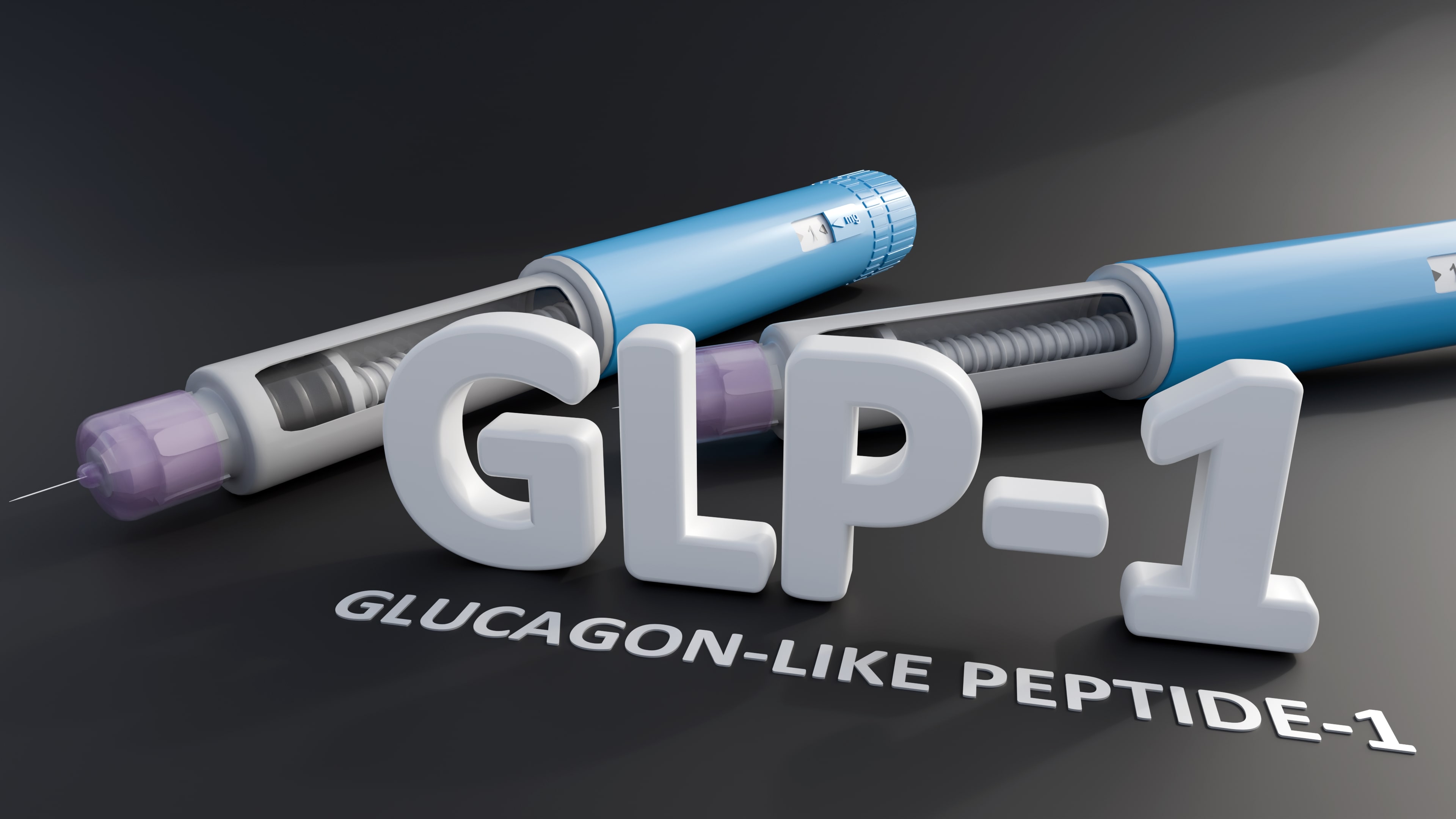
GLP-1 math: Tirzepatide, Semaglutide, and Retatrutide GLP-1 peptides are the most common reason people use a reconstitution calculator
Important point #3