Understanding the relationship between semaglutide therapy and neurological symptoms helps patients and clinicians distinguish medication effects from disease-related complications
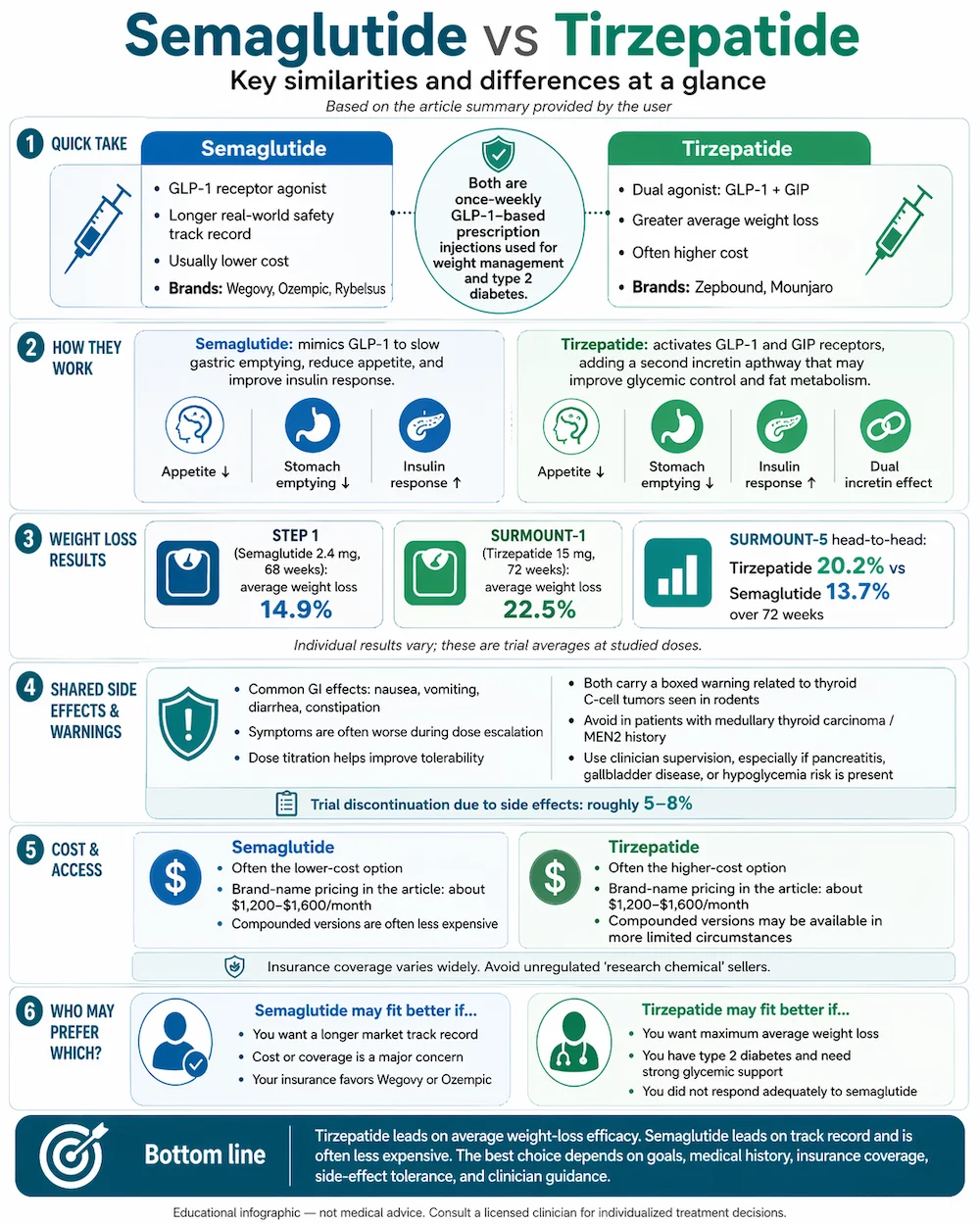
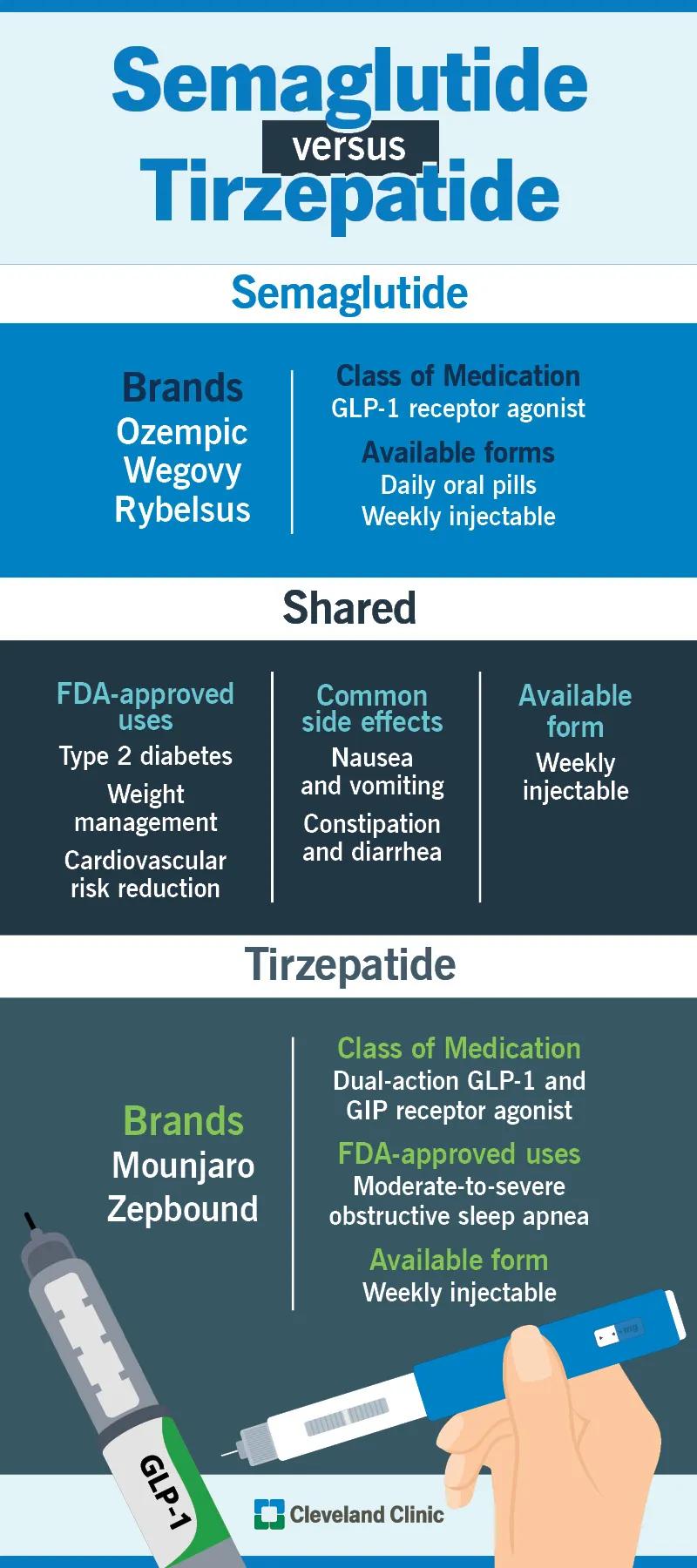
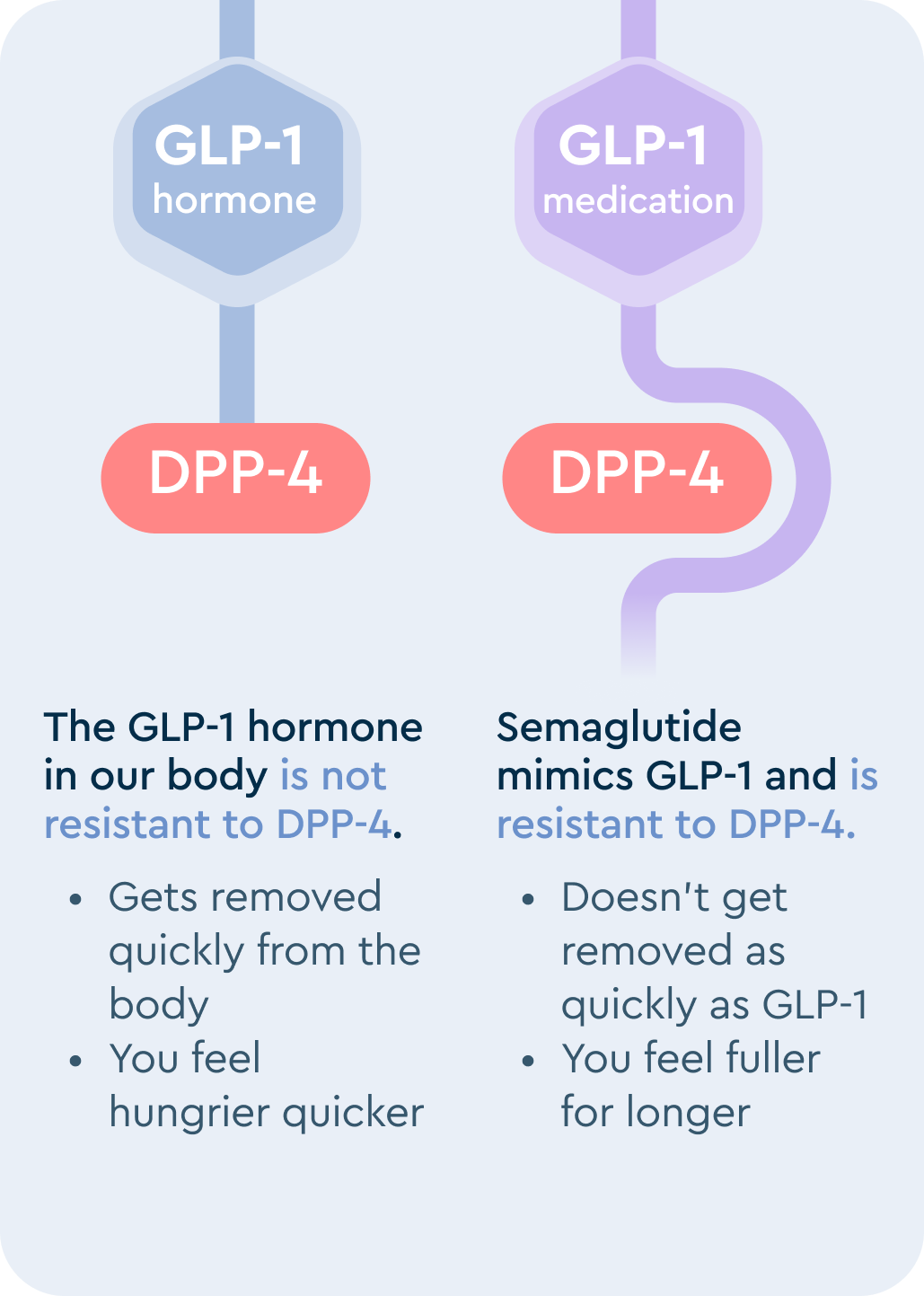
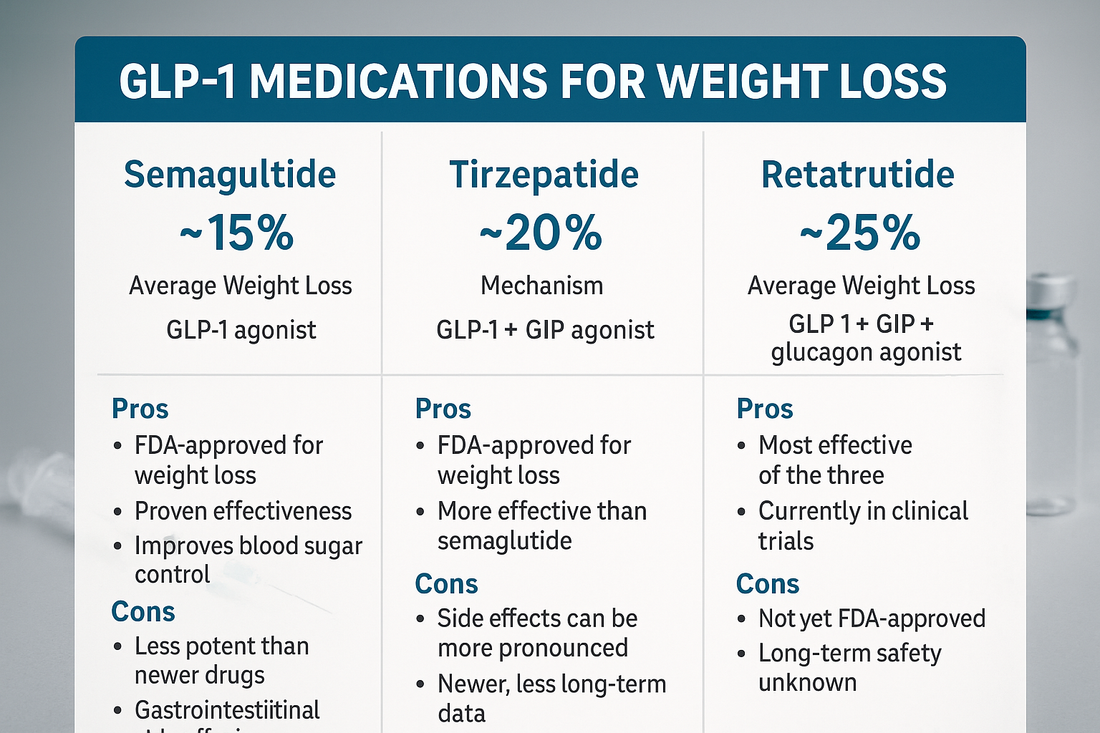
Ozempic Tirzepatide and Ozempic are similar in how they interact with the body and digestive process, but they arent identical
others follow a copy-and-paste pattern
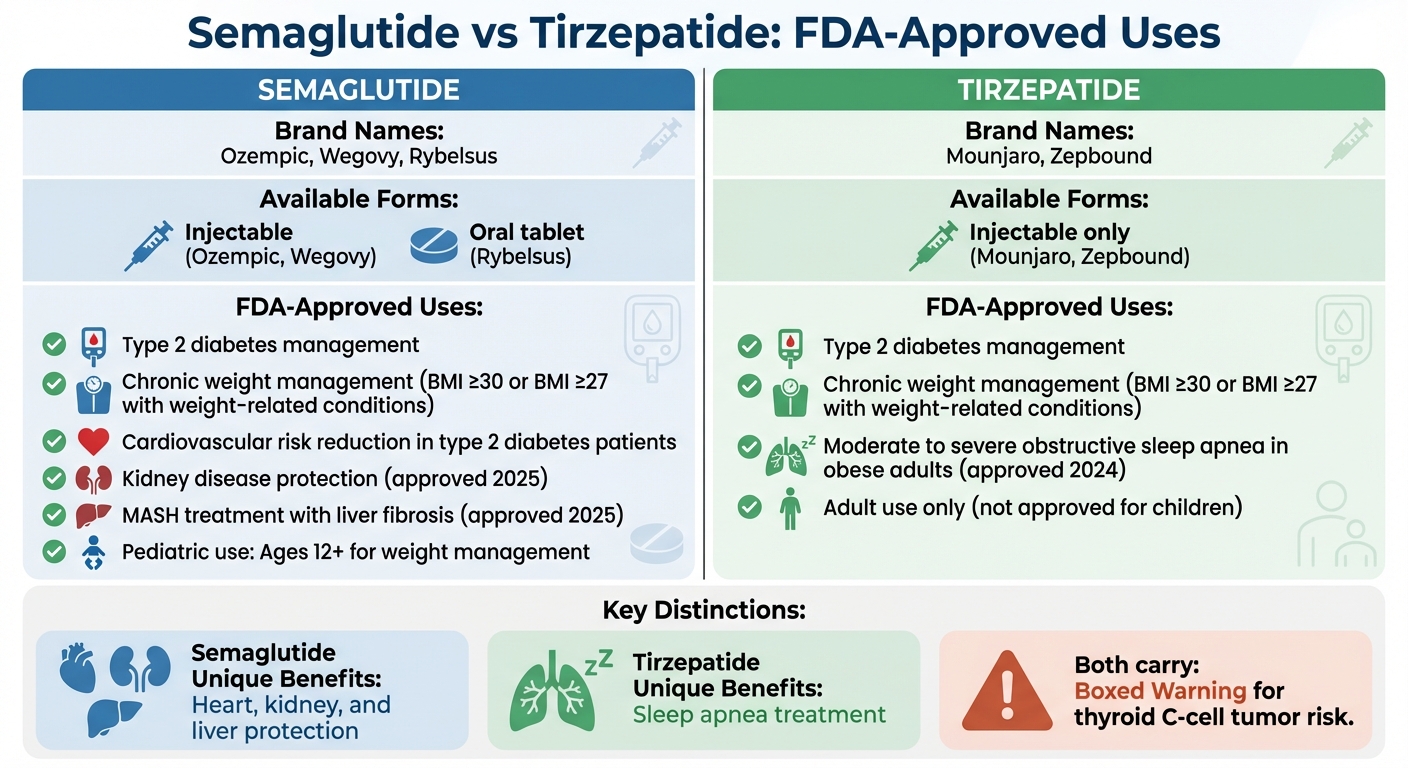
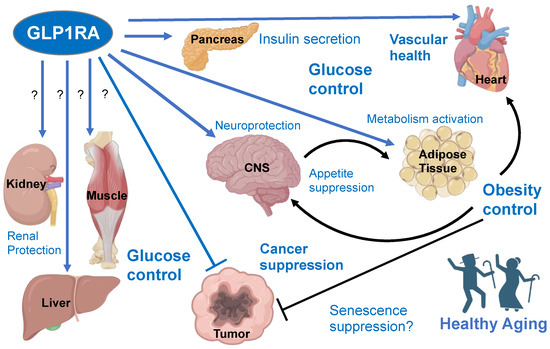
Indications and Usage Ozempic (semaglutide) injection 0.5 mg, 1 mg, or 2 mg and Ozempic (semaglutide) tablets 4 mg or 9 mg are indicated: as an adjunct to diet and exercise to improve glycemic control in adults with type 2 diabetes Ozempic injection is indicated: to reduce the risk of major adverse cardiovascular (CV) events (CV death, nonfatal myocardial infarction, or nonfatal stroke) in adults with type 2 diabetes and established CV disease to reduce the risk of sustained eGFR decline, end-stage kidney disease, and cardiovascular death in adults with type 2 diabetes and chronic kidney disease Ozempic tablets are indicated: to reduce the risk of major adverse cardiovascular (CV) events (CV death, nonfatal myocardial infarction, or nonfatal stroke) in adults with type 2 diabetes who are at high risk for these events References: Ozempic tablets

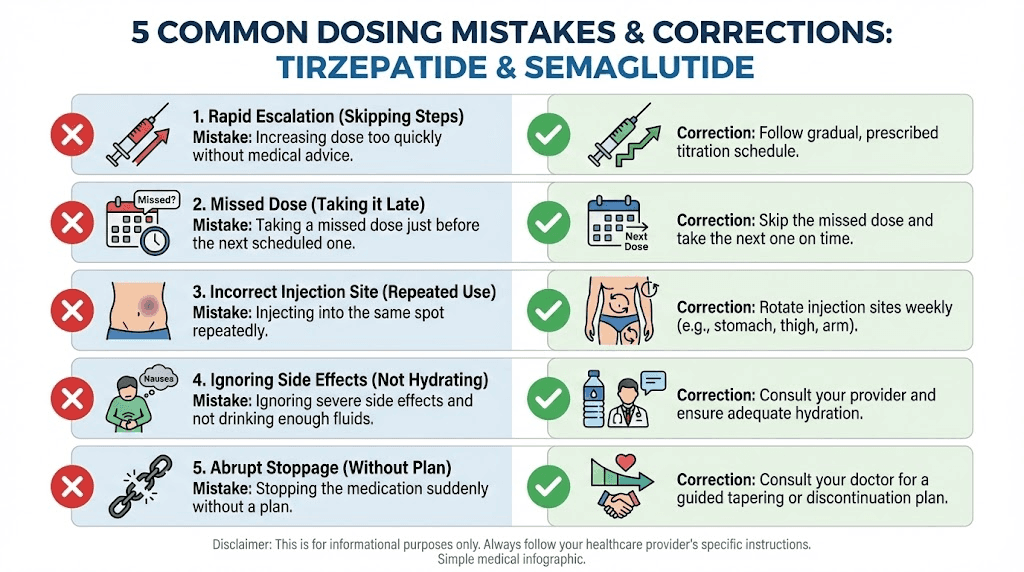
Some pharmacies also offer 15mg or 20mg vials for people who need long-term supplies or who are splitting vials among family members for cost savings